Physical Address
304 North Cardinal St.
Dorchester Center, MA 02124
Physical Address
304 North Cardinal St.
Dorchester Center, MA 02124
Self deprecation /ˌsɛlfdɛprɪˈkeɪʃn/ | noun. criticism of oneself
You and I are both likely victims of this debilitating mechanism. I’m not a psychologist or a philosopher, so as will be the norm here, let’s incorporate an aspect of ecology to bring the point around nicely.
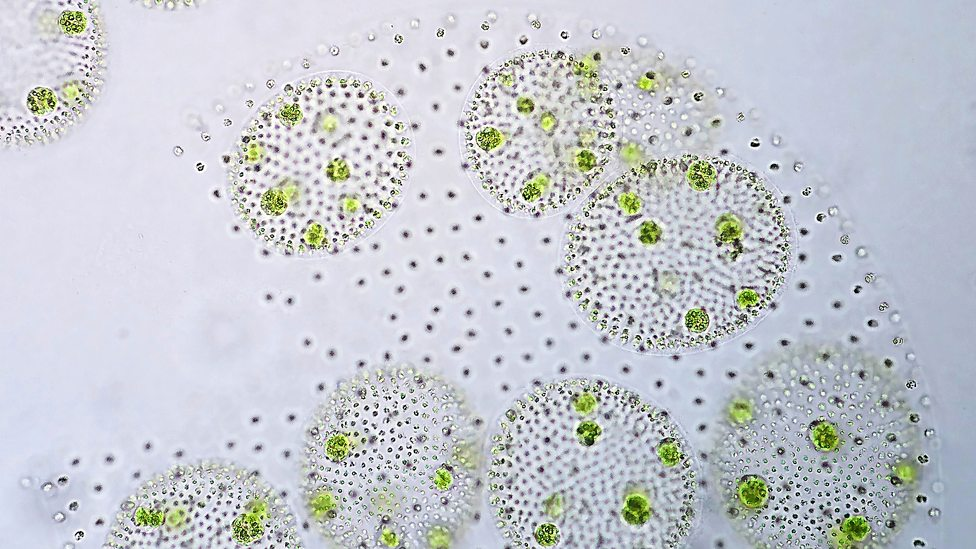
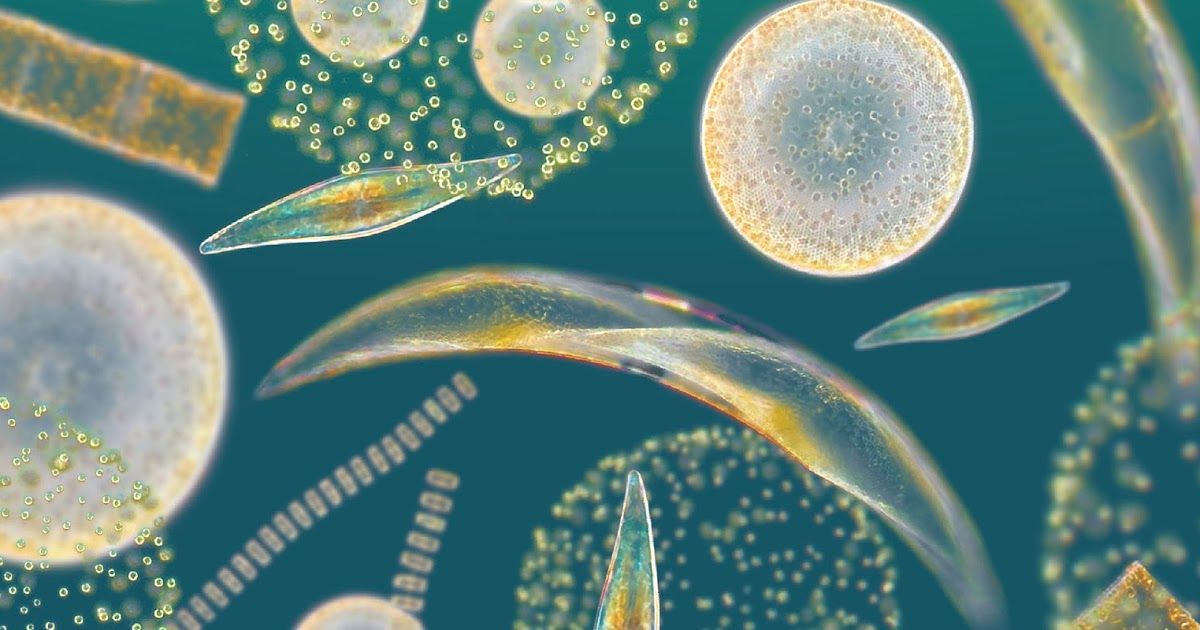
Floating in the depths of many aquatic ecosystems, exists an organism, not visible to the naked eye. To say phytoplankton goes unnoticed would be the understatement of the year. Whilst phytoplankton is likely not perceptive to its tiny size compared to the world around it, phytoplankton plays a massive role in supporting this very world.
Phytoplankton populations represent the largest movement of biomass on a daily basis, (louder for the people in the back) THE LARGEST MOVEMENT OF BIOMASS ON A DAILY BASIS! Quite ironic isn’t it? In a world where massive herds of elephants traverse landscapes daily, in search of suitable vegetation to satisfy their seemingly insatiable appetites, or in the ocean where pods of giant whales navigate vast waters in search of their daily nutrition, phytoplankton stand tall.
These tiny little creatures are remarkable and are also responsible for well over 50% of oxygen in our biosphere. The world as we know it would simply not exist without these tiny, tiny, tiny creatures.
Would it be safe to say that phytoplankton have no real argument for self deprecation? They sometimes might feel inadequate or unnoticed, but their impact on the world around them is anything but.
Food for thought?